


What we do
Plant clocks and environmental adaptation
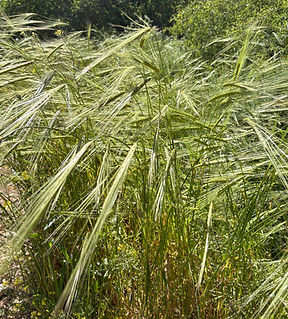
Plants use their circadian clocks to coordinate their growth and activity with the daily cycle of light and temperature. In our lab we have developed non-invasive techniques, including chlorophyll fluorescence and thermal imaging, to explore how circadian clocks vary between plants and respond to different environments. Our work in crops and wild species, including sorghum and barley, shows that circadian traits are linked to the climatic and geographic conditions in which plants evolved. Understanding this natural variation may help us develop crops that are better able to cope with environmental change and increasingly unpredictable growing conditions.

Protein interactions in the plant circadian oscillator
Our protein interaction project explores how the plant circadian clock is controlled at the protein level. We are identifying proteins that interact with CIRCADIAN CLOCK ASSOCIATED 1 (CCA1) and LATE ELONGATED HYPOCOTYL (LHY) key components of the circadian oscillator and studying how these interactions affect their activity, stability and function. By understanding these molecular partnerships, we hope to reveal new mechanisms that help plants keep time and adjust their growth and responses to the environment.

Circadian clocks across plant tissues and cells
Most studies of plant circadian clocks have focused on rhythms at the whole-plant level, but there is growing evidence that different tissues and cell types have distinct oscillator mechanisms and clock-controlled pathways. We have developed approaches that allow us to investigate the plant clock at finer spatial scales, focusing at the organ level on roots and at the cellular level on stomatal guard cells. These studies are helping us understand how circadian timing is coordinated across the plant while allowing individual tissues to respond to their own environmental and physiological signals. Understanding this spatial organization of the clock is important for revealing how plants integrate environmental information to regulate growth, water use and stress responses.